Plastic metallisation: metal coatings for plastic components
Plastic metallisation is a specialised process that applies thin metal coatings to plastic components, enhancing their appearance and, depending on the treatment, certain surface properties.
This technology combines the light weight and versatility of plastic with the distinctive appearance of metal surfaces, opening up new possibilities for creating components with refined finishes and high aesthetic appeal.
Metal coatings on plastic components are used across a range of industries, particularly where decorative finishes and specific surface properties are required. The result depends on the substrate, surface preparation and metallisation process used.
Chemical metallisation process
Surface preparation and controlled deposition
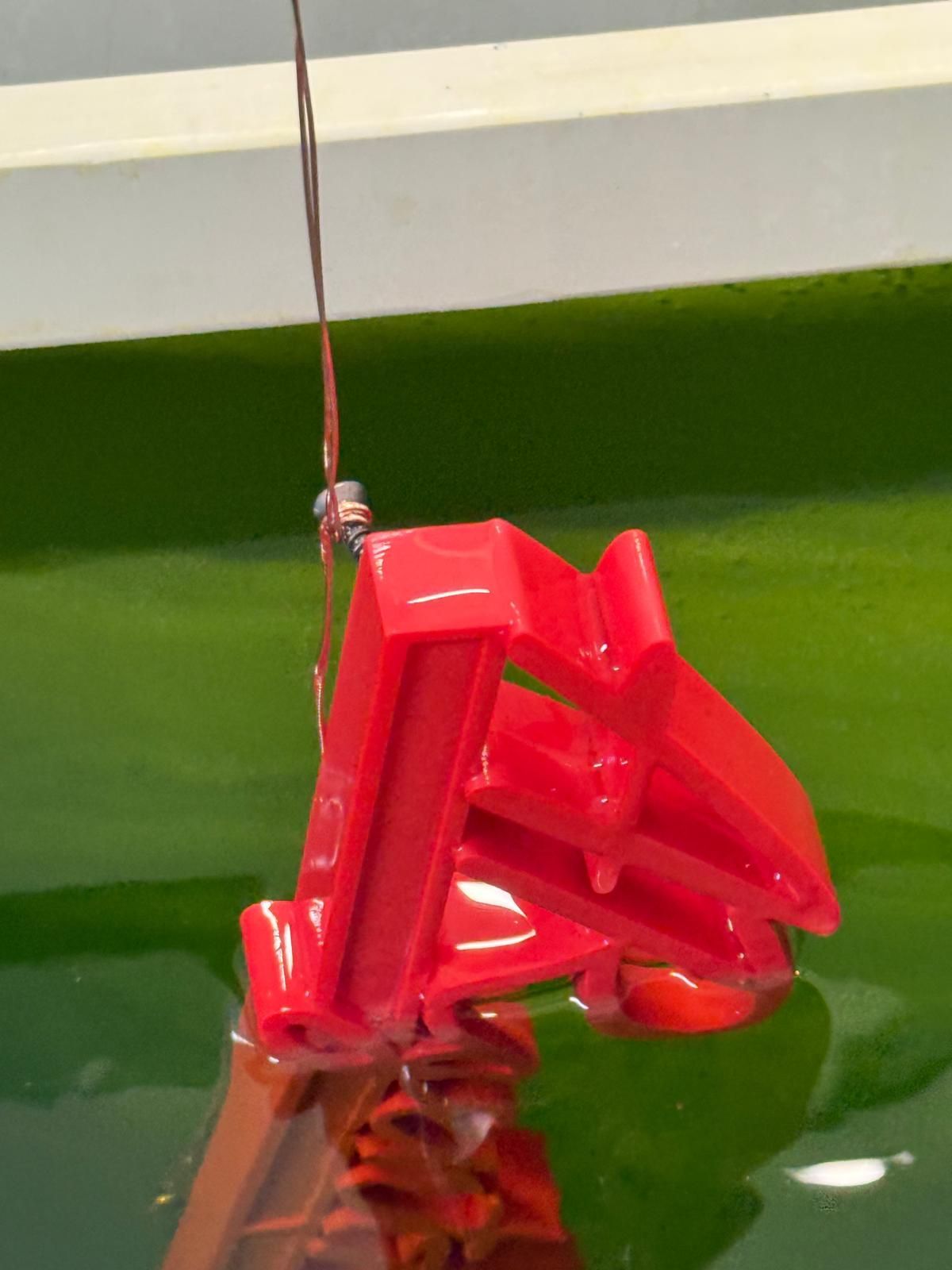
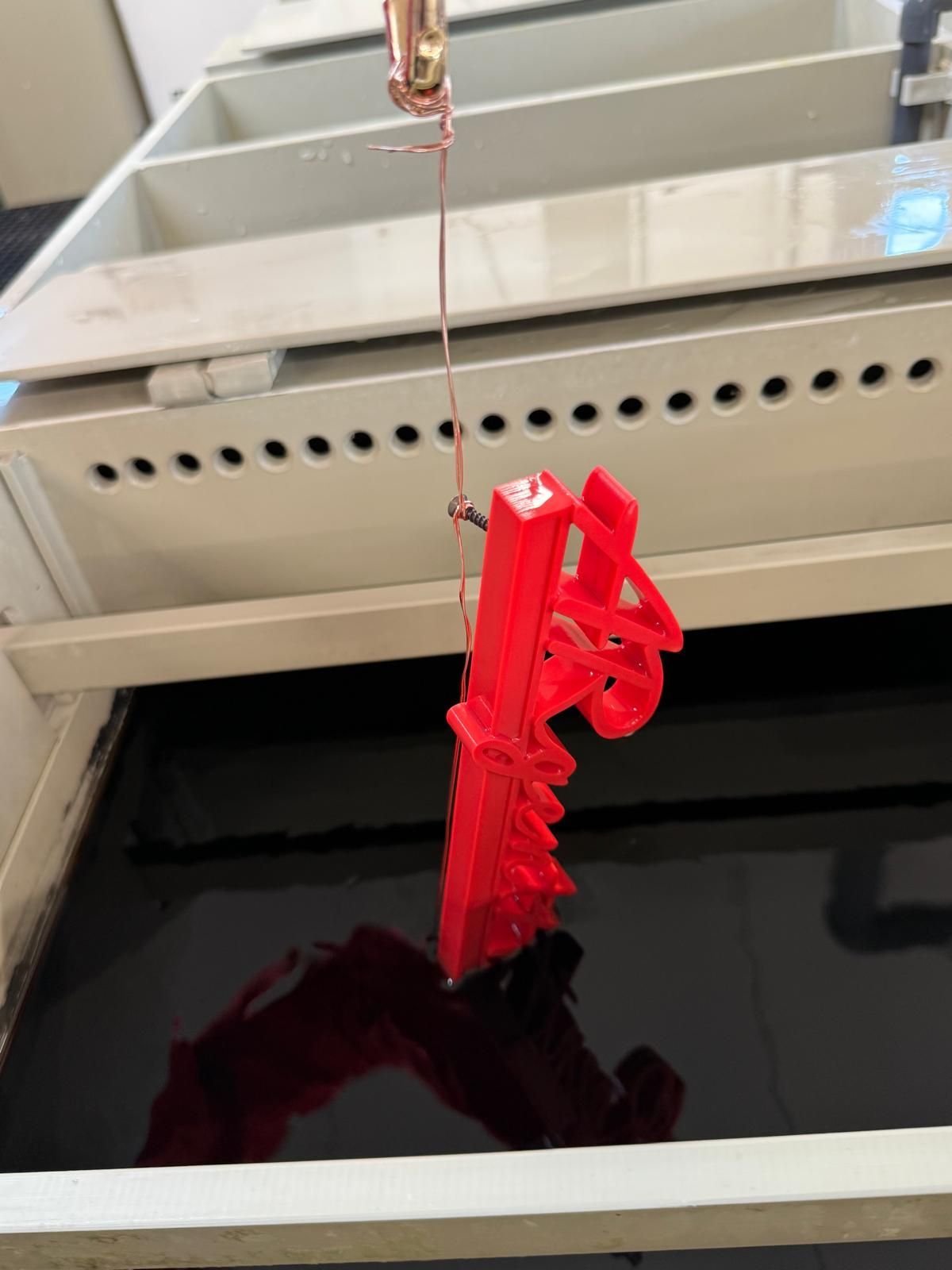
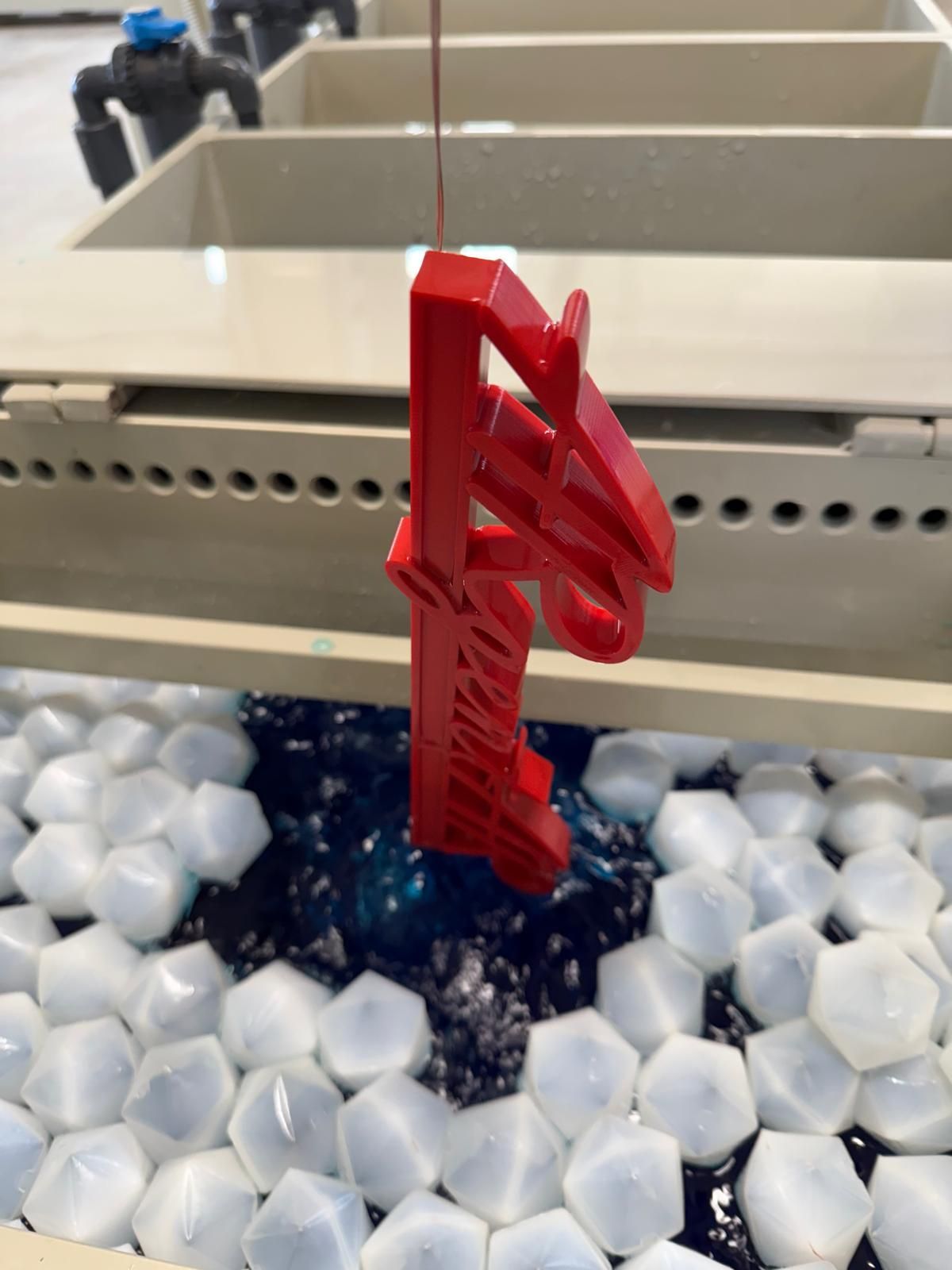
The chemical metallisation of plastic begins with careful preparation of the component’s surface, which is essential to ensure the metal coating adheres properly. The part then undergoes a chemical activation stage, preparing the material for the subsequent deposition.
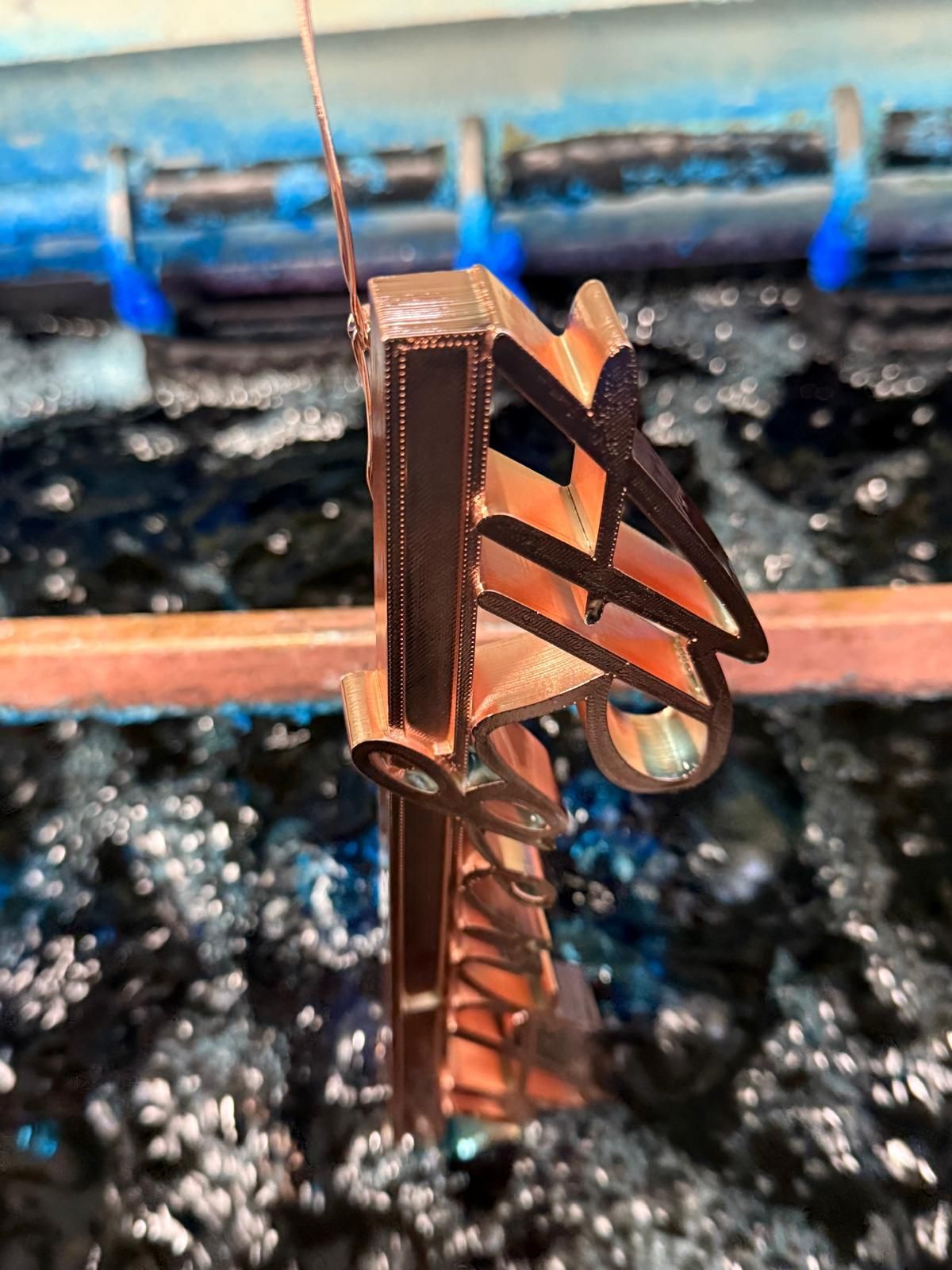
Unlike traditional electrolytic plating, chemical metal deposition takes place through controlled chemical reactions, without applying electric current directly to the component. This process can produce a uniform coating, even on complex geometries, depending on the material and treatment cycle used.
The process described by ARgentAR concludes with a chemical copper bath, which deposits a metal layer on the prepared plastic surface. This stage helps define the surface properties of the item and is a fundamental step in the metallisation process.
Industrial applications of plastic metallization
Industries served
Plastic metallisation is used in numerous industries that require components with refined metallic finishes, light weight and design versatility.
Key applications include:
- Automotive, for interior and exterior components and decorative details.
- Furniture and interior design, for furnishings and accessories with a metallic finish.
- Home appliances, for aesthetic components and decorative surfaces.
- Cosmetics and packaging, for packaging and details that enhance a product’s appearance.
- Technical and industrial components requiring specific surface properties.
Metallisation combines the aesthetic appeal of metal with the lightness and design flexibility of plastics. The coating’s properties and performance depend on the material used, the treatment process and the requirements of the finished component.
Benefits of plastic metallisation
Chemical metallization of plastic produces components with refined metallic finishes, combining the characteristics of metal coatings with the advantages of plastic materials.
Key benefits of the treatment include:
- Excellent aesthetic quality, with uniformly metallic-looking surfaces.
- Lightweight components, thanks to the plastic substrate.
- Improved surface properties, depending on the coating and treatment cycle.
- Chemical deposition without direct electric current being applied to the component, unlike traditional electrolytic electroplating processes.
- Versatile applications across a range of industries, from automotive and furniture to packaging and technical components.
- The most suitable metallisation method depends on the type of plastic, the shape of the part and the required aesthetic and functional properties.